Culture & Tourism
Canada’s culture and tourism sector represents a distinctive intersection where authentic experiences meet commercial viability. From the vineyards of the Okanagan Valley to Indigenous-led adventures in the territories, from restored heritage buildings in Quebec City to eco-lodges in national parks, this industry demands both cultural sensitivity and business acumen. Unlike conventional hospitality ventures, cultural tourism operators navigate unique challenges: heritage designations, cultural protocols, environmental assessments, and the constant pressure to deliver authenticity without commodification.
For entrepreneurs entering this field, success hinges on understanding six core business domains. Each requires specialized knowledge—from the regulatory frameworks governing wine production to the certification systems validating sustainability claims. This article explores these foundational pillars, providing operators with the contextual knowledge needed to build viable, respectful, and differentiated tourism businesses in the Canadian market.
Wine & Culinary Tourism Ventures
The wine and food tourism sector has evolved from simple tastings into a sophisticated business model built on experiential storytelling. Canadian operators in regions like British Columbia’s South Okanagan, Ontario’s Prince Edward County, and Nova Scotia’s Annapolis Valley compete not on volume but on narrative—the unique characteristics their climate, soil, and techniques impart to their products.
Terroir as a Business Asset
Terroir—the French concept linking taste to place—serves as both a marketing tool and an operational philosophy. For a small winery in Niagara-on-the-Lake, communicating how limestone soils and lake-effect moderation create distinct flavor profiles transforms a commodity product into a destination experience. This requires staff trained not just in service, but in geology, viticulture, and regional history. Think of terroir as your business’s unique fingerprint: impossible to replicate, and therefore your strongest competitive advantage against mass-market alternatives.
Partnership Models and Regulatory Navigation
Successful culinary tourism typically involves cross-sector partnerships—wineries collaborating with local cheesemakers, restaurants, and accommodation providers to create multi-day itineraries. However, provincial liquor regulations create complexity. In British Columbia, licensing rules differ significantly from Ontario’s, affecting everything from on-site sales to event permits. Operators must also consider seasonal timing: harvest festivals generate peak revenue but require months of advance planning to secure necessary permits and coordinate with tourism boards like Destination Canada or regional marketing organizations.
Indigenous Tourism Businesses
The Indigenous tourism sector represents one of Canada’s fastest-growing cultural tourism segments, yet it demands an approach fundamentally different from conventional operations. Authenticity and respect aren’t marketing buzzwords here—they’re operational prerequisites that determine both community acceptance and long-term viability.
Cultural Protocols and Authentic Experiences
Before launching any Indigenous tourism venture, operators must establish proper protocols with Elders and community leaders. This isn’t a one-time consultation but an ongoing relationship that shapes everything from which stories can be shared to how ceremonies are presented. For example, a coastal First Nation offering traditional canoe journeys might restrict certain routes or narratives based on cultural significance. This protocol adherence actually strengthens the business model: visitors increasingly seek genuine experiences and can distinguish performative “Indigenous-themed” attractions from community-endorsed operations.
Funding and Business Models
Indigenous tourism operators can access specialized funding streams unavailable to conventional businesses. The Indigenous Tourism Association of Canada (ITAC) provides sector-specific support, while programs through Indigenous Services Canada offer startup capital and capacity-building resources. Business models vary considerably:
- Community-owned social enterprises where profits fund cultural programs
- Individual entrepreneurs operating with band council endorsement
- Partnership models with non-Indigenous operators following strict cultural oversight
The key challenge lies in avoiding appropriation—ensuring that cultural elements aren’t extracted from their community context for commercial gain. A legitimate operation maintains community benefit and cultural control as non-negotiable principles, even when growth opportunities arise.
Heritage Property Development
Converting historic buildings into tourism accommodations or attractions offers unique market positioning, but the business case depends entirely on understanding the regulatory and financial realities of heritage conservation.
Designations and Permitting
Canada’s heritage protection operates at three levels: federal (Parks Canada), provincial (varying by jurisdiction), and municipal. A building designated under the Ontario Heritage Act, for instance, faces different restrictions than one listed on Quebec’s provincial registry. These designations affect what you can change: a Toronto entrepreneur converting a Victorian mansion into a boutique hotel might find that window replacement requires heritage committee approval, adding months to timelines. The permit process resembles an archaeological dig—you uncover requirements layer by layer, and rushing leads to costly mistakes.
Retrofit Economics
Heritage retrofits typically cost 15-30% more than comparable new construction, but tax incentives can offset these premiums. The federal Rehabilitation Tax Credit, where applicable, combined with provincial programs and municipal grants, can recover significant capital. The real financial surprise often comes from structural assessments: that charming 1890s brick building might need foundation stabilization or asbestos removal, invisible costs that emerge during due diligence. Smart operators budget an additional 20% contingency specifically for these heritage-specific surprises, and prioritize energy efficiency upgrades that reduce operating costs while meeting modern building codes.
Marketing Cultural Experiences
Cultural tourism marketing succeeds when it moves beyond promoting amenities to communicating transformational experiences—the feeling guests will have, the stories they’ll tell, the perspective shift that occurs when culture is genuinely encountered.
The Signature Experience Concept
Tourism industry professionals refer to “signature experiences”—those distinctive offerings that become synonymous with a destination. For a culture-focused operator, this might be a guided foraging walk with a traditional knowledge keeper, or an evening of Acadian kitchen party music. The signature experience should be impossible to find elsewhere and difficult to commoditize. Think of it as your business’s flagship product: it anchors your brand, justifies premium pricing, and generates word-of-mouth referrals that no advertising budget can buy.
Distribution Channels
Reaching international markets typically requires working with the travel trade—tour operators, travel agents, and wholesalers who package Canadian experiences for overseas buyers. This channel demands different terms: commissions of 15-20%, long booking lead times, and often, the ability to guarantee capacity months in advance. Operators must also navigate visa friction points—understanding which source markets face Canadian visa challenges and timing marketing efforts to align with the booking curve, which for international cultural tourism typically peaks 4-6 months before travel dates.
Protected Area Operations
Operating tourism businesses within or adjacent to national parks, provincial protected areas, or marine conservation zones requires navigating Canada’s most stringent regulatory environment, where environmental protection supersedes commercial interests.
Environmental Compliance
Parks Canada and provincial agencies grant operating permits based on demonstrated minimal impact. Environmental assessments examine everything from wastewater management to wildlife interaction protocols. For example, a kayak tour operator in Pacific Rim National Park Reserve must maintain specific distances from sea otters and adhere to seasonal restrictions protecting nesting seabirds. These aren’t suggestions—violations can result in permit revocation. The “Need to Reside” principle applied in some protected areas requires that your business presence serves conservation or visitor education purposes that couldn’t be achieved from outside park boundaries, a high bar that eliminates purely extractive commercial uses.
Seasonal Workforce Management
Protected area tourism typically concentrates into short operating windows—sometimes just 12-16 weeks annually. This seasonality creates a persistent staffing challenge: attracting skilled employees for temporary positions in often remote locations. Successful operators combat this through:
- Offering premium wages that compensate for seasonal uncertainty
- Providing accommodation, crucial in park gateway communities with limited housing
- Creating return-employee incentives that build institutional knowledge
- Partnering with educational institutions to offer practicum placements
Staff retention in these contexts directly impacts service quality, making workforce strategy as critical as environmental compliance.
Sustainable Tourism Certification
As travelers increasingly select experiences based on environmental and social responsibility claims, third-party certification has evolved from a niche differentiator to a competitive necessity—but only when implemented authentically.
Multiple certification systems operate in Canada: Green Tourism Canada, Biosphere, EarthCheck, and sector-specific programs. Each requires measuring a baseline of current impacts—energy consumption, waste generation, water use, community benefit—then demonstrating continuous improvement. The certification process involves audits, staff training, and operational changes that often reduce costs: LED lighting retrofits, waste diversion programs, and seasonal purchasing from local suppliers that decrease both environmental footprint and operating expenses.
The critical pitfall is greenwashing—making environmental claims unsupported by operational reality. Installing a few recycling bins while running energy-intensive operations and sourcing internationally doesn’t constitute sustainability. Authentic certification requires systemic change and transparency. Avoid carbon tunnel vision that focuses exclusively on emissions while ignoring water stewardship, cultural impact, or economic leakage. The most credible operators treat certification as an operational framework, not a marketing badge, and actively educate guests about sustainability practices, transforming environmental responsibility into an interpretive element of the visitor experience itself.
Cultural tourism in Canada demands more than business competence—it requires cultural humility, environmental stewardship, and the ability to translate authentic experiences into viable revenue models. Whether you’re launching a culinary venture, developing a heritage property, or operating in sensitive ecosystems, success emerges from deep sector knowledge, respectful partnerships, and unwavering commitment to authenticity. Each of these domains offers distinct opportunities, but all share a common requirement: the business must serve the culture, heritage, or environment it presents, not the reverse.

How to Build a Defensible Eco-Tourism Brand with GreenStep or Biosphere Certification
In Canada, “eco-friendly” is no longer a marketing asset; without rigorous proof, it’s a significant legal and financial liability. Vague environmental claims now risk severe penalties under Canada’s updated Competition…
Read more
Operating in a National Park: A Guide to Securing Your Business License in Banff or Jasper
Operating a business in a Canadian National Park is fundamentally about stewardship, not just commerce; your success hinges on aligning with Parks Canada’s mandate for ecological integrity. Compliance is non-negotiable,…
Read more
Attracting International Visitors: How to Market to the “High-Yield” Traveler?
Successfully attracting high-yield international travelers to Canada requires moving beyond scenic vistas and adopting a sophisticated, portfolio-based marketing strategy. Calibrate pricing and commission structures specifically for each source market, such…
Read more
Beyond the Façade: A Developer’s Guide to Repurposing Canada’s Heritage Buildings
A heritage designation in Canada is not a development obstacle but a strategic financial framework that unlocks superior ROI when approached as an asset repositioning strategy. Regulatory “burdens” are gateways…
Read more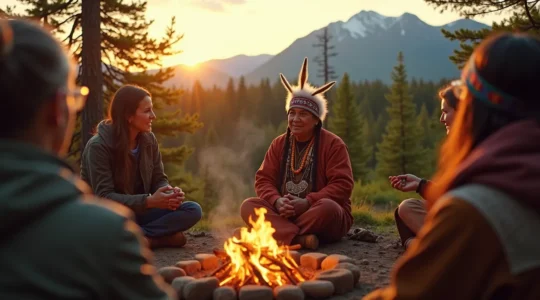
Promoting Cultural Exploration: How to Develop Authentic Indigenous Tourism Experiences?
Building a successful Indigenous tourism venture is not about selling a product; it’s about enacting economic sovereignty through a process rooted in legitimate cultural protocol. Success hinges on securing genuine…
Read more
Developing Culinary Tourism: A Strategic Guide to Attracting High-Value Foodies
The key to attracting high-value culinary tourists isn’t just a better menu; it’s architecting a premium, narrative-rich “Taste of Place” that justifies a higher price point and creates year-round demand….
Read more